

Have you ever wondered why some people can eat carbs like it’s no big deal, while others seem to gain weight just by looking at them? Or why one person thrives on a high-protein diet while another feels sluggish? Well, the secret might lie in nutrigenomics — the science of how our genes interact with the foods we eat.
I first stumbled upon this concept when I was looking for ways to optimize my health and wellness routine. Ever since, I’ve been making small adjustments to my diet that align with my genetics, and the results have been impressive.
Here’s the thing: nutrigenomics diet tips aren’t just about what foods are healthy for you. They’re about understanding why certain foods work wonders for your body and others don’t. When you understand how your genes interact with your nutrition, you can make smarter, more personalized decisions about your diet. Let me walk you through how I use these tips in my daily life.
What is Nutrigenomics and Why Should You Care?
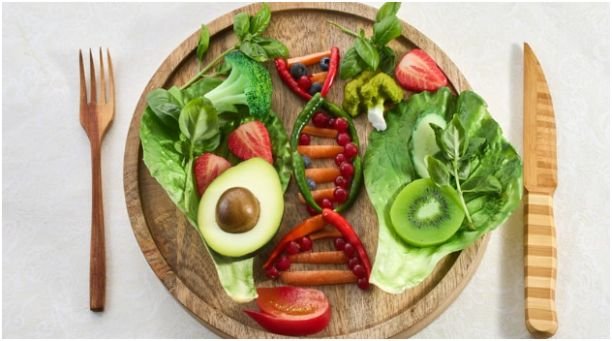
Nutrigenomics focuses on the relationship between your genes and the nutrients you consume. It goes beyond the standard “one-size-fits-all” advice you often hear about diet and looks at how your unique genetic blueprint determines the best foods for your body.
I’ve always believed in the power of food, but after learning about nutrigenomics, I realized that my body might be asking for something very different than what conventional nutrition advice suggests. For example, I discovered that my APOE gene variant makes me more sensitive to saturated fat, so I’ve been more careful about how much I consume. This simple change has helped me feel more energetic and keep my cholesterol in check.
How Can Nutrigenomics Diet Tips Help You?

The beauty of nutrigenomics is that it’s all about personalization. You’re not just following a generic diet plan based on trends or what works for someone else. Instead, you’re tuning into your body’s needs, based on your genetics. Here’s how it can help:
Optimizing Your Health
For me, it wasn’t just about weight loss. I wanted to feel more energized, improve my digestion, and have better skin. Nutrigenomics offered a way to achieve that by considering how specific nutrients interact with my DNA. I used a simple genetic test to get a better understanding of my body’s needs, which pointed me toward a more anti-inflammatory diet that included more omega-3s, antioxidants, and fiber.
Reducing the Risk of Disease
By focusing on gene-diet interactions, you can potentially reduce your risk of chronic conditions like heart disease, diabetes, and even some cancers. For instance, I learned that my MTHFR gene variant could make it harder for me to process folate. As a result, I’ve been adding more folate-rich foods like spinach and avocados to my meals. This has helped with my overall health and energy levels, and I feel the difference.
How to Implement Nutrigenomics Diet Tips in Your Routine

So, how do you start incorporating these nutrigenomics diet tips into your daily life? Here’s my step-by-step guide:
1. Get Your DNA Tested
To truly take advantage of nutrigenomics, you first need to understand your genetic predispositions. I used a service like DNAFit to get insights into how my genes respond to things like fat, protein, and carbohydrates. Once I got my results, I was able to tailor my diet specifically to my needs.
- Pro Tip: If you’re not ready to take a full test, start by looking at the foods that you know cause issues for you, like dairy or gluten, and consider getting tested to confirm your sensitivities.
2. Understand Key Gene Variants
After getting my DNA results, I focused on a few key genes that impact my metabolism and nutrient absorption:
- FTO gene: This gene impacts appetite and fat storage. If you have a variant here, you may be more prone to weight gain, so focusing on protein and fiber is crucial.
- CYP1A2 gene: I found out that I’m a fast caffeine metabolizer, meaning coffee has fewer negative effects on me than it might on others.
3. Make Small, Actionable Changes
With my results in hand, I began making changes to my diet that would directly benefit my genes:
- For FTO: I started including more lean proteins and fiber-rich vegetables in my meals to keep me full longer.
- For ACE gene: I reduced sodium and added potassium-rich foods like bananas and sweet potatoes to help balance my blood pressure.
4. Focus on the Power of Food
Some foods are like superfoods for your genes. For me, blueberries have been a staple in my diet because of their antioxidant properties. They support the GSTM1 and SOD2 genes, which protect my DNA from oxidative stress.
Here’s an example of how I put it all together in a typical day:
- Breakfast: A chia seed pudding made with almond milk, topped with blueberries. This gives me fiber, healthy fats, and antioxidants to kickstart my day.
- Lunch: A Mediterranean-style salad with grilled chicken, spinach, and olive oil dressing to support my MTHFR gene and reduce inflammation.
- Dinner: Salmon with quinoa and roasted broccoli. The omega-3s in salmon help my APOE gene and protect my heart.
FAQs: Your Nutrigenomics Questions Answered
1. How do I know which nutrigenomics diet tips are right for me?
It all starts with genetic testing. Once you understand your genetic makeup, you can identify your specific dietary needs. Look for a certified nutrigenomics expert or use trusted genetic testing services like 23andMe or DNAFit. From there, a professional can help you create a personalized meal plan.
2. Can nutrigenomics help with weight loss?
Yes, nutrigenomics can play a big role in weight management. By understanding how your body responds to different nutrients (like carbs, fats, and proteins), you can fine-tune your diet to boost metabolism and optimize fat burning. If you have the FTO gene variant, focusing on a high-protein, low-carb diet might help you lose weight more effectively.
3. Is nutrigenomics only for people with health issues?
Not at all! While nutrigenomics can help manage health conditions, it’s also for anyone who wants to optimize their wellness and prevent disease. Whether you’re looking to boost energy, improve skin health, or just feel better day-to-day, nutrigenomics can offer personalized tips that work for you.
Your Genes, Your Health: Take Control!
If I could give you one piece of advice, it would be to embrace personalization when it comes to your health. No more generic diets that leave you guessing. Instead, dig into your genetics and tailor your nutrition to your unique body. You’ll be amazed at the energy and confidence you’ll feel by aligning your diet with your DNA.
Start small, get tested, and make tweaks as you go. I promise you, your body will thank you for it.
Related Posts

Spiritual Wellness Practices: How I Found Inner Peace Through Simple Daily Rituals
Life has a funny way of pulling you in a million directions at once. Between work, family, friends, and just the general...
Read out all
What is Mental Wellness? Your Guide to a Balanced Mind
Okay, let’s talk about something we all wish we had more of: what is mental wellness. You know those days when your...
Read out all
The Holistic Guide to Wellness: Your Path to Balanced Well-Being
I remember the first time I heard the phrase “the holistic guide to wellness .” It sounded so mystical, like something only...
Read out all
Emotional Eating Tips: How I Finally Took Control
If you’re like me, you’ve probably been there – sitting on the couch after a tough day, reaching for that tub of...
Read out all
Self-Care Routines for Mental Wellness: Easy Tips to Build Your Ideal Routine
When I first started exploring self-care routines for mental wellness, it felt like a whirlwind of advice, from calming baths to endless...
Read out all
Wellness Habits for Busy People: How I Stay Healthy Without the Extra Effort
Let’s be real. I’m always on the move. Between work, errands, family commitments, and trying to maintain some semblance of a social...
Read out all