

- 0
- 715 words
Many modern factories face space problems, especially small or medium-sized ones that want to grow in the same place. Using space well is important. It affects how work gets done, how much you can make, and the cost to run things.
This is why how you design your packaging machines matters. Round, circle-shaped systems are popular now. They help to make a lot of products without taking up too much room. Because of the circle shape, you can fit them in tight areas and still keep things running well.
Space Efficiency Design
A rotary packing machine is built to save floor space. It has a circular design. This makes it different from machines that move in a straight line and need more room. A rotary machine puts many jobs together in one small area.
Each station sits next to a turning platform. This setup lets each packaging step—like putting pouches in place, filling, and sealing—happen in a small space. The design cuts down on the need for long conveyors. It also makes the whole machine take up less room, so it works well in places where the space is very limited.
Eliminating the Limitations of Linear Systems
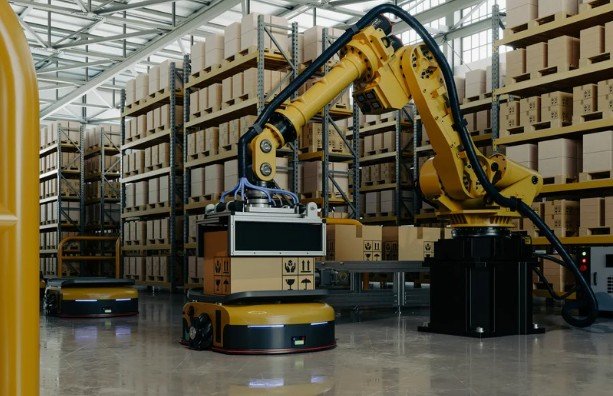
Most current inline packaging systems need a lot of space. They have to fit each task, one after the other, in a straight line. This setup does not work well in small places, because the factory does not have much room. This makes things less easy and slows down work.
Rotary systems fix these problems by putting many steps into one rotating cycle. They do not spread work out along a long line. They keep everything together in a small, single unit. This can save space. It also cuts down how far the material has to move. This way, the full work process gets better and quicker.
Improved Workflow and Material Handling
Good movement of materials is key when you work in tight spaces. Rotary machines help make work go better. They do this by cutting out extra steps and making it easy to go from one stage to another.
Key advantages include:
- Shorter distances between steps
- Less need for more moving systems
- Better timing of packaging steps
High Output in a Smaller Footprint
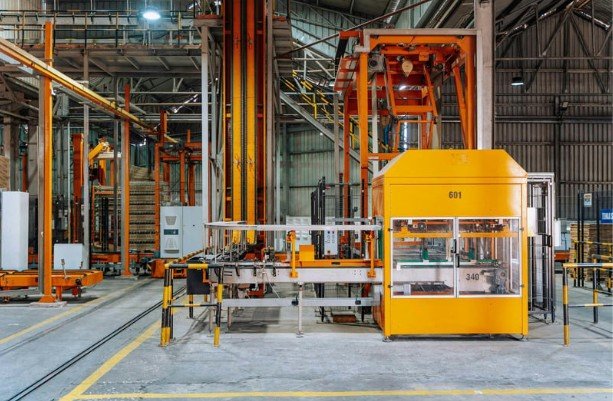
One big plus of this tech is that it can give you a lot of output. You do not need a big space to put this machine in your workplace. It has more than one station that can work at the same time. So, you get high output and use less space at the same time.
This is very good for businesses that want to make more products in the same place. They do not have to make the factory bigger. Instead, they can change to rotary systems. This helps them work better without using more space.
Flexible Integration and Future Expansion
Even though rotary machines are small, they can do a lot when it comes to joining with other machines. You can link them with machines that work before and after, like feeders, checking systems, and units that box things up.
Their modular design helps businesses add more uses without big changes to the setup. This flexibility means that when production needs get bigger, the system can grow without needing more floor space or a hard rework.
Conclusion
To get the most work done when you have little room in your factory, you need to pick the right machines. A rotary packing machine is small but does a lot. It lets you do many packing jobs in one spot and saves space. It takes up less area than old straight-line systems.
This kind of machine makes the flow of work better and packs more in less time, without slowing down. If you are trying to save space and grow your business at the same time, moving to rotary packing machines is a smart idea.
Author

admin@livehappyinspired.com
Related Posts

Innovative Signage Solutions to Enhance Your Brand Visibility
- 0
- 708 words
In an increasingly competitive market, businesses need to adopt creative strategies to stand out. One of the most effective methods is to...
Read out all
Work Directly with Senior Developers for Transparent and Efficient Project Delivery
- 0
- 1,016 word
The who is as significant as the what in the world of high stakes of digital transformation. The common trap taken by...
Read out all
Simple Tech for Daily Life: The Tools I Actually Use to Make Days Easier
- 0
- 1,143 word
I don’t want complicated tech. I want tech that quietly helps while I live my life. That’s what simple tech for daily...
Read out all
Technology and Mental Health: How I Balance Both
- 0
- 1,273 word
Technology and mental health have a complicated relationship, and I learned that the hard way. I use tech for work, learning, connection,...
Read out all
Tech for Productivity: Essential Tools and Gadgets for Better Focus
- 0
- 1,415 word
Tech for productivity has evolved far beyond simple to-do lists and reminder apps. Today, it includes everything from ergonomic desks and noise-canceling...
Read out all
Technology for Wellbeing: Enhancing Health and Connection
- 0
- 1,305 word
Technology for wellbeing, often referred to as Connected Health or Digital Wellbeing, has transformed the way we approach personal health and lifestyle...
Read out all