

- 0
- 879 words
The modern world operates at an intense pace. Between professional responsibilities, digital notifications, and daily logistics, the mind accumulates low-level stress that eventually demands a reset. Traditionally, the default solution to burnout has been to book a trip.
However, traveling often introduces its own set of stressors, from delayed flights and packing lists to the inevitable financial hangover of a vacation.
Fortunately, finding a sense of deep peace and rejuvenation does not require a passport or a change of zip code.
True relaxation is less about geography and more about your immediate environment. By intentionally altering your surroundings, you can create a dedicated sanctuary that allows you to disconnect, unwind, and recharge right at home.
Here is how to cultivate a peaceful escape without ever leaving your property.
The Psychology of Environmental Sensory Design
To build an effective escape at home, you must first look at how your physical surroundings impact your nervous system. Human brains constantly process sensory data from the immediate environment.
If your home is filled with visible clutter, harsh lighting, or the constant ambient noise of household chores, your mind remains in a subtle, hyper-alert state.
Before designing a calming retreat, it helps to remove visual stress from your surroundings, and learning how to declutter your home can make your peaceful escape feel cleaner, lighter, and easier to enjoy.
Transforming a space into an escape requires a deliberate sensory shift. This means curating what you see, hear, and feel in a specific zone of your home.
Designating just one area—whether it is a spare bedroom, a sunroom, or a quiet corner of the backyard—as a “zero-obligation zone” sets a psychological boundary. In this space, laptops, calendars, and undone chores are completely out of sight, signaling to your brain that it is safe to downshift into a state of rest.
Restructuring Your Outdoor Atmosphere
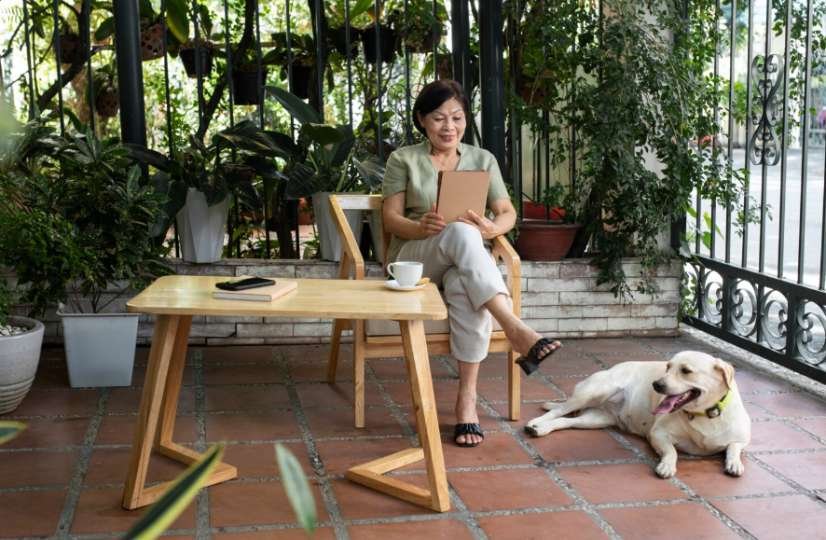
The outdoors offers an immediate advantage when creating a peaceful sanctuary. Nature naturally lowers cortisol levels and coaxes the mind into a state of relaxed attention.
However, to maximize this effect, a backyard or patio needs to feel distinct from the functional areas of the home where you might mow the lawn or take out the trash.
Creating a restful outdoor lounge involves layering comfort and warmth. Soft, weather-resistant textiles, deep-seated chairs, and privacy screening can instantly make an outdoor space feel secluded.
To anchor the space and provide a central gathering point, many design strategies focus on fire and light. Incorporating an elegant, low-profile round gas fire pit provides both visual warmth and a hypnotic focal point during quiet evenings.
The gentle flicker of a controlled flame serves as a natural anchor for the eyes, mimicking the primitive comfort of a campfire and making it easy to sit quietly without the urge to check a smartphone.
To keep the outdoor retreat comfortable and distraction-free, it also helps to manage pests naturally, especially if you want to learn how to get rid of flies outside before relaxing in your backyard sanctuary.
Calming the Auditory and Visual Senses
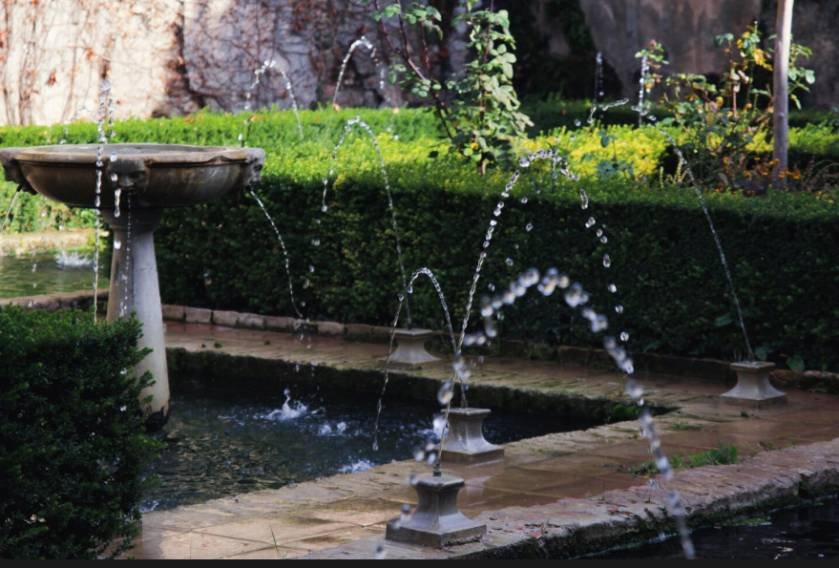
A true escape must also offer a sanctuary from noise pollution. Traffic, sirens, or the hum of home appliances can fracture a relaxing moment. Restructuring the auditory profile of your designated escape area is highly effective for deepening relaxation.
- Introduce Moving Water: The consistent, rhythmic sound of a small water feature or fountain can effectively mask ambient neighborhood noises. The brain registers the sound of moving water as a non-threatening, natural white noise, which promotes systemic calm.
- Optimize Lighting: Avoid harsh, direct overhead lights. In the evening, rely on warm, indirect lighting sources such as lanterns, string lights, or candles. Lowering the light temperature signals the body to begin producing melatonin, easing you out of “fight-or-flight” mode.
- Curate Natural Textures: Introduce elements like raw wood, linen, natural stone, and plenty of living green plants. These textures soften the clean, sharp lines of modern architecture and ground the space in a more organic aesthetic.
Cultivating Restorative Rituals

Simply building a beautiful space is only half the equation; you must also utilize it intentionally. A travel-free escape thrives on the establishment of slow, restorative rituals that contrast sharply with your standard workday routine.
Dedicate your sanctuary to analog activities. Use the space exclusively for reading physical books, practicing mindfulness, stretching, or enjoying a morning cup of tea without digital interruptions.
When you pair a beautifully designed physical environment with a consistent habit of slowing down, the space itself becomes a psychological trigger for relaxation. Over time, simply stepping into your sanctuary will automatically cause your shoulders to drop and your breathing to slow.
Conclusion
Finding a temporary escape from the pressures of modern life does not depend on distant travel or elaborate itineraries. By understanding sensory design and transforming a portion of your own home or backyard into a dedicated retreat, you can access profound relaxation whenever you need it.
Utilizing natural materials, calming soundscapes, and comforting elements like soft lighting and fire features allows you to cultivate a sustainable, daily sanctuary. Ultimately, the most restorative journey you can take is the intentional step into a space built entirely for your own peace of mind.
Author

admin@livehappyinspired.com
Related Posts

What to Consider Before Buying a Home in a Mountain Community
- 0
- 1,566 word
Buying in a mountain community is not the same as buying in a suburban neighborhood with better views. The lifestyle is different,...
Read out all
How Good Landscaping Balances Appearance, Function, and Long-Term Upkeep
- 0
- 1,333 word
Great landscapes do more than look polished on the day they are finished. They shape how a property works, how people use...
Read out all
Where Landscape Rock Works Best in a Residential Outdoor Space
- 0
- 1,577 word
Landscape rock is one of the few materials that can solve a practical problem and improve the look of a yard at...
Read out all
Common Mistakes New String Students Make When Choosing Accessories
- 0
- 684 words
Playing the stringed instrument is more than just holding on to the bow and the strings. The accessories have an impact on...
Read out all
5 Moving Day Mistakes Homeowners Regret
- 0
- 827 words
Moving into a new home should feel like a fresh start, a celebratory milestone marking the next chapter of your life. Instead,...
Read out all
How to Make the Most of a Small Bedroom?
- 0
- 721 words
Living in a compact space does not mean you have to sacrifice style, comfort, or functionality. In fact, small bedrooms present a...
Read out all