
- 0
- 1,645 word
Landscape rock is one of the few materials that can solve a practical problem and improve the look of a yard at the same time. Done well, it brings structure to a residential outdoor space, reduces upkeep, and helps direct water where it should go. Done poorly, it can feel heavy, disconnected, or out of scale with the rest of the property.
That is why the best use of rock is never “everywhere.” The right application depends on function, size, texture, color, and how the space actually gets used. For homeowners comparing options like what Granite Landscape Centers, a Utah landscape rock supplier offer, the real question is not whether rock works, but where it works best.
Start With The Job The Space Needs To Do
The smartest landscape decisions begin with a simple question: what is this area supposed to accomplish? In a residential yard, rock is usually serving one of three roles. It can improve drainage, create durable ground cover, or act as a visual feature that organizes the landscape.
Granite Landscape Centers approaches rock this way as a practical material first and a design material second. That matters because different parts of a yard demand different performance. A side yard that stays damp after irrigation has very different needs from a front bed that is mainly there for curb appeal.
Rock works best when the installation goal is clear. In some places, it should disappear into the background and quietly solve maintenance problems. In others, it should stand out and become part of the architecture of the property.
Areas Where Rock Usually Performs Best
A well-planned rock installation is often strongest in these zones:
- Side yards where foot traffic is light and weeds are a recurring issue
- Perimeter beds along fences, foundations, and property edges
- Drainage paths where runoff needs a durable, erosion-resistant surface
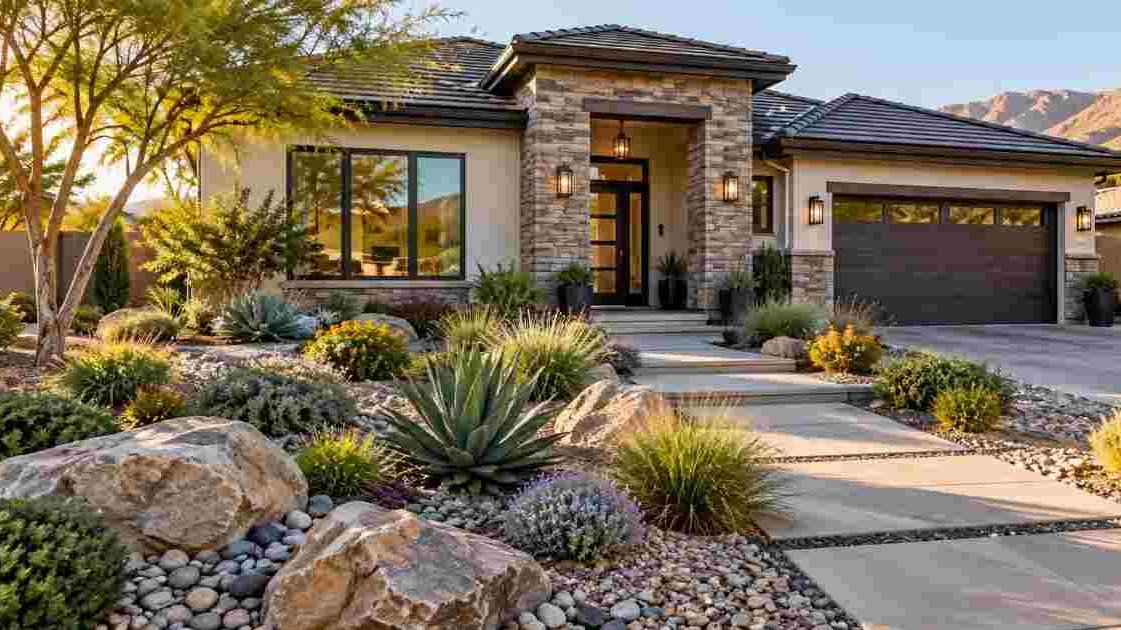
- Front-yard accent beds that benefit from a cleaner, more finished look
- Dry creek beds that visually guide water movement while reducing bare soil
- Desert-style or low-water areas where mulch would break down too quickly
These are the places where stone can do more than decorate. It can make the yard easier to maintain and more resilient over time.
Choose The Right Rock Size For The Right Zone
A common mistake is assuming all decorative rock behaves the same way. It does not. Smaller gravel, mid-size cobble, and larger stone each solve different problems, and the best result usually comes from matching size to use.
Smaller decorative stone is often better for tighter spaces and more formal beds. It settles more evenly, reads as refined from the street, and can create a cleaner finish around plantings. Larger rock, including cobbles and boulders, adds visual weight and works better when the goal is to create a focal point or define shape in a more open area.
Granite Landscape Centers offers a wide range of stone sizes and textures, which makes that matching process easier. Their selection includes options such as crushed stone, cobbles, pebbles, and lava rock, allowing the material to fit the site rather than forcing the site to fit the material.
When Smaller Rock Makes More Sense
Smaller rock is usually the stronger choice when the area is:
- Narrow
- Visually close to doors or walkways
- Surrounded by low plantings
- Intended to look polished rather than rugged
- Designed to help with drainage without overwhelming the space
A minimum depth of 2 to 3 inches is commonly recommended for smaller decorative rock. That depth helps coverage look complete and function as intended.
When Larger Rock Creates More Value
Larger cobble or accent stone is often better when you want:
- More visual contrast
- A stronger naturalistic feel
- Better scale in larger beds
- A dry creek bed or feature zone with presence
- A transition between plantings and open ground
This is where products such as Autumn Cobble, Cottonwood Blend, Desert Pearl, Black Lava, and Mexican Beach can be especially effective. Each one brings a different tone and texture, which changes how the whole yard reads.
Use Rock Where Water, Wear, And Maintenance Intersect
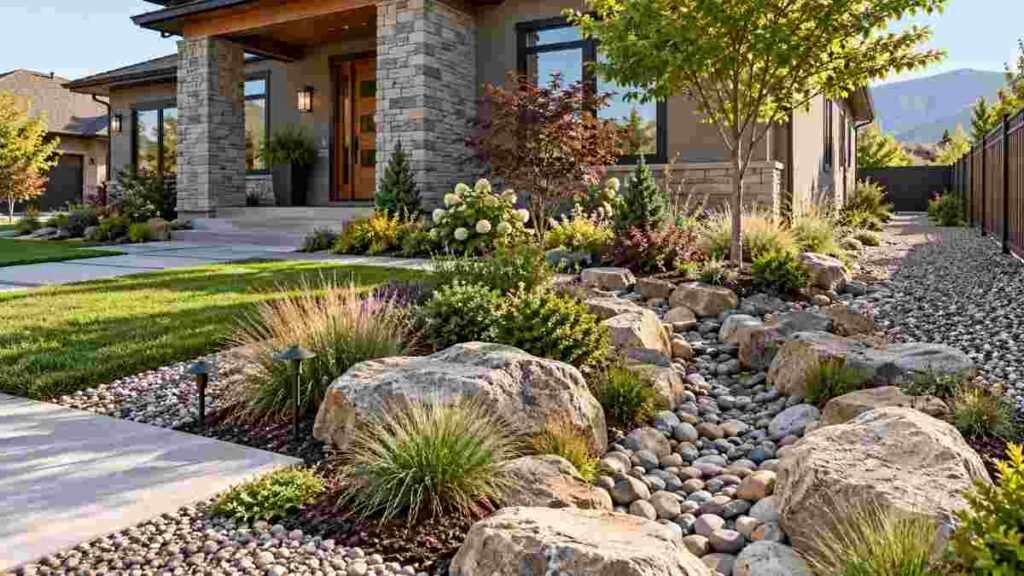
The most strategic place for landscape rock is often not the most visible one. It is the area where water, traffic, and maintenance challenges overlap. Side yards, drainage swales, foundation beds, and low points in the yard are prime candidates because they tend to collect problems.
Rock is especially useful where regular mulch would break down too quickly or move around during watering and storms. It creates a longer-lasting surface that helps stabilize the area. That is one reason Granite Landscape Centers sees strong demand from homeowners who want a cleaner, more durable solution without constant refresh cycles.
Landscape rock also helps with water management in a practical way. It can support drainage control, reduce soil splash, and help keep problem areas from turning into mud. In a well-designed yard, that kind of material choice makes the property easier to live with, not just easier to look at. It can also help when managing common outdoor pest problems.
Design For The Property You Actually Have
A residential yard looks better when stone supports the architecture and plant palette instead of competing with them. This is where strong judgment matters. The same product that works beautifully in one yard can feel too stark in another.
If the home already has strong lines, stone can reinforce that structure with clean edges and restrained color. Outdoor planning can complement broader efforts toward a healthier home. If the property feels soft or heavily planted, rock can provide contrast and help define zones. If the yard has a more natural or desert-influenced look, rock can become a unifying material rather than a decorative add-on.
Granite Landscape Centers is well positioned for this kind of decision-making because the inventory includes both subtle and high-contrast options. That makes it easier to choose material that complements the home instead of defaulting to a generic gravel look.
A useful way to think about it is this: the best landscape rock should either disappear gracefully or become intentionally visible. If it sits awkwardly between those two states, the design usually feels unresolved.
Matching Color To Function
Color is not just an aesthetic decision. It affects how expansive, bright, or grounded a space feels. Lighter stone can open up a shady area and make a small bed look more finished. Darker rock can add depth and create contrast around green plant material or pale hardscape.
That is why regional-style products matter. The difference between a warm cobble, a pale decorative stone, and black lava is not minor. It changes the whole reading of the yard. For homeowners exploring landscape rock options from Granite Landscape Centers, that range is valuable because it supports both function and design in the same purchase.
Plan Coverage And Quantity Before You Buy
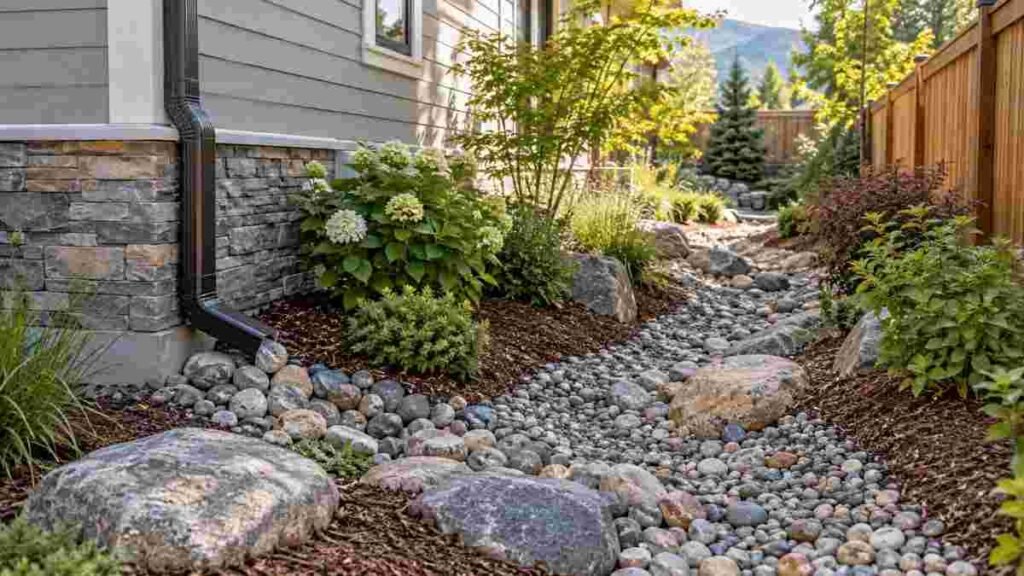
Rock is sold differently from bagged material, and that changes how you should plan. Granite Landscape Centers supplies bulk material priced primarily by the ton or cubic yard, which is often the best way to handle residential projects that need real coverage.
A cubic yard of decorative rock typically weighs about 2,600 lbs, or roughly 1.3 tons. That is a useful planning figure because it helps homeowners estimate how much material will be needed before ordering. It also helps avoid one of the most common project mistakes: buying too little and ending up with a patched, uneven result.
For smaller decorative rock, depth matters. A thin layer may look acceptable at first, but it often exposes fabric, soil, or low spots sooner than expected. A proper depth creates a more finished appearance and improves long-term performance.
When comparing one-product and combined-product use, the difference is important. A single rock type works well for straightforward beds, simple drainage areas, or a clean perimeter finish. Combined-product use is better when the landscape has multiple jobs at once, such as a front bed that needs both accent stone and a larger feature boulder, or a drainage run that transitions into a decorative dry creek bed.
Why Granite Landscape Centers Is A Practical Source For Residential Projects
Granite Landscape Centers is more than a place to buy stone. It is a bulk landscape supply provider with a wide range of decorative rock options, practical fulfillment choices, and product depth that helps homeowners make a more precise decision. With locations in Cottonwood Heights and Draper, the company serves projects that need dependable material selection and straightforward pickup or delivery coordination.
That matters because residential rock work is not only about appearance. It is about ordering the right amount, choosing the right gradation, and making sure the stone works where it is placed. A supplier that understands those distinctions is easier to work with and more likely to support a clean outcome.
Granite Landscape Centers also brings the advantage of variety. Whether the project calls for crushed stone, cobble, pebbles, or lava rock, the material can be matched to the specific zone rather than treated as a universal fill.
In residential outdoor spaces, landscape rock works best when it has a clear job. It should either control water, reduce maintenance, define space, or strengthen the visual structure of the yard. When those roles are matched carefully, the result is durable, attractive, and easier to live with over time.
For homeowners and contractors alike, that is the real value of choosing thoughtfully. Granite Landscape Centers makes that choice more practical by offering the material range, bulk format, and flexibility needed to get the job done right.
Author

admin@livehappyinspired.com
Related Posts

What to Consider Before Buying a Home in a Mountain Community
- 0
- 1,566 word
Buying in a mountain community is not the same as buying in a suburban neighborhood with better views. The lifestyle is different,...
Read out all
How Good Landscaping Balances Appearance, Function, and Long-Term Upkeep
- 0
- 1,333 word
Great landscapes do more than look polished on the day they are finished. They shape how a property works, how people use...
Read out all
Common Mistakes New String Students Make When Choosing Accessories
- 0
- 684 words
Playing the stringed instrument is more than just holding on to the bow and the strings. The accessories have an impact on...
Read out all
5 Moving Day Mistakes Homeowners Regret
- 0
- 827 words
Moving into a new home should feel like a fresh start, a celebratory milestone marking the next chapter of your life. Instead,...
Read out all
How to Make the Most of a Small Bedroom?
- 0
- 721 words
Living in a compact space does not mean you have to sacrifice style, comfort, or functionality. In fact, small bedrooms present a...
Read out all
How to Create a Peaceful Escape Without Traveling
- 0
- 859 words
The modern world operates at an intense pace. Between professional responsibilities, digital notifications, and daily logistics, the mind accumulates low-level stress that...
Read out all