
- 0
- 1,036 word
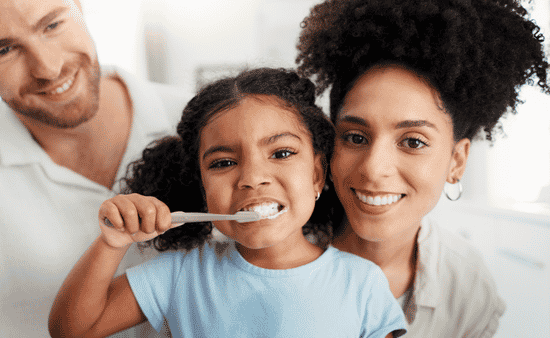
Good oral hygiene begins in childhood, and the habits children develop early often stay with them throughout their lives. Teaching kids how to care for their teeth goes beyond preventing cavities—it helps build confidence, supports overall health, and reduces the likelihood of costly dental treatments in the future. With patience, consistency, and positive reinforcement, parents and caregivers can encourage children to establish routines that lead to lifelong healthy smiles.
Start Oral Care at an Early Age

Good dental habits begin even before a child’s first tooth appears. Gently cleaning an infant’s gums with a soft, damp cloth after feedings helps remove bacteria and introduces the idea of daily oral care from the very beginning.
Once the first tooth erupts, parents should begin brushing with a soft-bristled toothbrush designed for young children. Using an appropriate amount of fluoride toothpaste based on the child’s age helps strengthen developing teeth while minimizing the risk of cavities.
Starting early allows children to become familiar with brushing as a normal part of their daily routine rather than viewing it as a chore introduced later in life.
Build Consistency Through Daily Routines
Children thrive on routines. Brushing every morning after breakfast and every evening before bedtime helps make oral hygiene predictable and easier to remember.
Parents should supervise brushing during the early years to ensure children reach every tooth and brush for the recommended amount of time. As children’s coordination improves, supervision can gradually transition into guidance until they can brush independently.
Consistency is more important than perfection. Encouraging children every day reinforces the importance of maintaining healthy teeth.
Make Brushing and Flossing Fun

Children are more likely to embrace healthy habits when the experience feels enjoyable rather than forced. Turning brushing into a positive activity encourages participation and helps reduce resistance.
Simple strategies such as singing songs, creating reward charts, or allowing children to choose the color of their toothbrush can make oral care feel exciting. Small incentives that celebrate consistency rather than perfection can also motivate younger children.
Teach Proper Brushing Technique
Many children brush quickly without cleaning every surface of their teeth. Demonstrating slow, gentle circular motions helps them understand how to remove plaque effectively.
Parents should explain that every tooth has multiple surfaces requiring attention, including the front, back, and chewing surfaces. Brushing the tongue is also beneficial because it removes bacteria that contribute to bad breath.
Teaching proper technique early reduces the risk of developing ineffective habits that may persist into adulthood.
Introduce Flossing Gradually
Flossing often becomes necessary once children’s teeth begin touching each other. Since flossing requires fine motor skills, younger children typically need assistance from a parent or caregiver.
Making flossing part of the bedtime routine helps establish it as a natural extension of brushing rather than an occasional task.
Encourage Healthy Eating Habits
Nutrition plays an important role in maintaining strong teeth and healthy gums. Teaching children how food affects their oral health helps them make better choices as they grow.
Frequent consumption of sugary snacks and beverages increases the risk of cavities by providing fuel for bacteria that produce harmful acids. While occasional treats are perfectly acceptable, moderation is essential.
Instead, encourage foods rich in calcium, phosphorus, vitamins, and fiber. Fresh fruits, vegetables, dairy products, lean proteins, and whole grains contribute to stronger teeth while supporting overall health.
Limit Frequent Snacking
Constant snacking exposes teeth to repeated acid attacks throughout the day. Offering balanced meals and limiting sugary snacks between meals gives saliva time to neutralize acids and protect tooth enamel.
Water is also an excellent beverage choice because it helps rinse away food particles and supports healthy saliva production.
Teaching children the connection between healthy eating and healthy teeth empowers them to make informed decisions as they become more independent.
Lead by Example
Children often imitate the behaviors they observe. Parents who prioritize their own oral hygiene send a powerful message about the importance of caring for their teeth.
Brushing and flossing together as a family can transform oral care into a shared activity rather than an individual responsibility. Children are more likely to follow routines they consistently see adults practicing.
Open conversations about oral health also help normalize dental care. Explaining why brushing, flossing, and regular checkups matter encourages children to understand the purpose behind their daily habits.
Schedule Regular Dental Visits
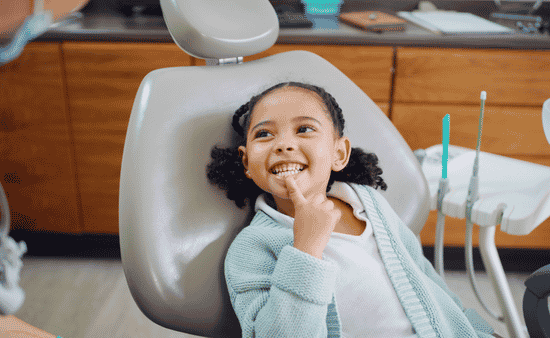
Routine dental checkups allow children to become comfortable with professional everyday dental care while giving dental professionals the opportunity to monitor healthy development.
Visiting a trusted dentist in Lafayette for regular examinations helps detect small issues before they become more serious while reinforcing the importance of preventive care.
Positive dental experiences during childhood often reduce anxiety and encourage lifelong commitment to maintaining oral health.
Teach Responsibility as Children Grow
As children mature, gradually giving them more responsibility for their oral hygiene builds confidence and independence.
Parents can begin by supervising brushing before transitioning to occasional check-ins to ensure routines remain consistent. Encouraging children to prepare their toothbrush, floss independently, and remember their brushing schedule fosters accountability.
Explaining the reasons behind each habit helps children appreciate that oral hygiene is about protecting their health rather than simply following rules.
Reinforce Positive Habits
Praise and encouragement are often more effective than criticism. Recognizing consistent effort motivates children to continue practicing healthy behaviors.
If brushing or flossing is occasionally forgotten, gentle reminders are more productive than punishment. Developing lifelong habits takes time, and positive reinforcement creates a supportive learning environment.
Celebrating milestones such as completing a full month of consistent brushing can help maintain enthusiasm while strengthening healthy routines.
Conclusion
Teaching kids good oral hygiene habits is one of the greatest investments parents can make in their children’s long-term health. Establishing consistent routines, encouraging healthy food choices, making brushing enjoyable, leading by example, and scheduling regular dental visits all contribute to healthier smiles. With patience and positive guidance, children can develop lifelong habits that protect their teeth, support overall wellness, and build lasting confidence.
Author

admin@livehappyinspired.com
Related Posts

Choosing Quality Childcare in Belmont
- 0
- 825 words
Selecting quality childcare is a critical decision for parents and guardians, as it profoundly influences a child’s early development and well-being. In...
Read out all
Exploring the Services of Glow Aesthetics Collective
- 0
- 808 words
The demand for professional aesthetic treatments is steadily increasing as more individuals seek safe and effective ways to enhance their appearance. Among...
Read out all
Why Ongoing Fatigue Should Not Be Ignored
- 0
- 1,223 word
Everyone feels tired sometimes. A busy schedule, lack of sleep, stress, or a long workday can make the body feel drained. Most...
Read out all
The Bitter Truth: Health Problems Caused by Too Much Sugar
- 0
- 716 words
Sugar is an undeniable part of modern life. It hides in obvious treats like pastries and sodas, but it also lurks silently...
Read out all
When Should a Child First Go to the Dentist? A Parent’s Milestone Guide
- 0
- 748 words
Welcoming a new addition to the family brings a whirlwind of milestones, from the first smile to the first steps. Amidst the...
Read out all
The Expanding Role of Acupuncture in Modern Multidisciplinary Care Models
- 0
- 1,199 word
Healthcare is increasingly moving toward collaborative, patient-centered models where different disciplines work together to improve outcomes. Within this evolving system, acupuncture is...
Read out all