

- 0
- 1,383 word
Technology and mental health have a complicated relationship, and I learned that the hard way. I use tech for work, learning, connection, and even relaxation—but I’ve also felt drained, distracted, and weirdly anxious after “doing nothing” on my phone for hours.
What finally clicked for me was this: technology isn’t good or bad for mental health by default. How I use it decides everything. When I stay intentional, tech supports my well-being. When I use it on autopilot, it quietly messes with my sleep, focus, and mood.
This is my practical, real-life take on technology and mental health—what actually helps, what slowly harms, and how I’ve built routines that keep tech useful instead of overwhelming.
How does technology support mental health in everyday life?
Technology became a mental health bridge for me before it became a distraction. Access is the biggest win. Therapy no longer requires living in a city, taking time off work, or feeling awkward in waiting rooms.
Teletherapy platforms let people talk to licensed therapists from their bedrooms, during lunch breaks, or anxiety at night. That flexibility removes cost, location, and stigma barriers that stop many people from seeking help.
I’ve also seen how tools like guided meditation apps and mood trackers help build self-awareness. When I log sleep, stress, or emotions, patterns become obvious. I stop guessing and start understanding what actually affects my mental state.
Technology and mental health align best when tech reduces friction instead of adding pressure.
Can technology actually replace some mental health support?
 Replace? No. Support? Absolutely.
AI chatbots helped me during moments when I didn’t want to talk to a human yet. They feel non-judgmental and immediate. That matters when someone feels overwhelmed at 2 a.m. These tools don’t replace therapy, but they act as a first step instead of a dead end.
Virtual reality for trauma and addiction therapy also deserves attention. Exposure therapy using VR helps people face phobias, PTSD triggers, and social anxiety in controlled environments.
The brain responds realistically, but the setting stays safe. That balance helps people practice coping without being thrown into chaos.
Wearables add another layer. Tracking heart rate variability and sleep quality shows how stress lives in the body, not just the mind. Once I noticed my stress spikes before burnout hit, I started intervening earlier instead of waiting for exhaustion.
Technology and mental health work best together when tech supports awareness, not avoidance.
When does technology start hurting mental health?
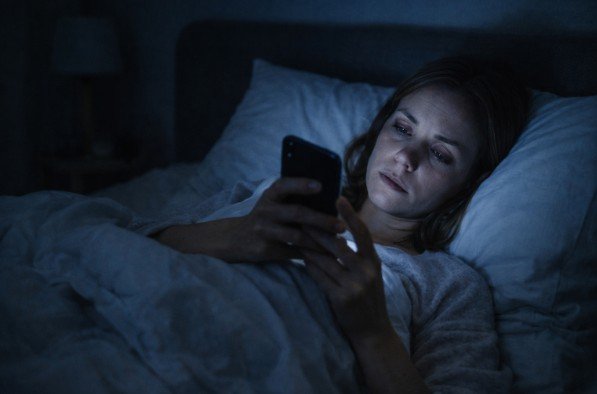
The damage creeps in quietly.
Passive scrolling hits hardest. Platforms built on comparison culture make it easy to measure your life against highlight reels. I’ve caught myself feeling “behind” without knowing why—until I traced it back to endless feeds designed to keep me watching, not feeling better.
Sleep takes the next hit. Late-night screens mess with melatonin, and even when I feel tired, my brain stays wired. Poor sleep makes anxiety louder, patience shorter, and motivation weaker the next day. That cycle repeats fast.
Then there’s addiction. Compulsive use doesn’t look dramatic at first. It shows up as ignored responsibilities, irritability when disconnected, and that reflex to check your phone even when nothing happened.
Technology and mental health collide badly when control disappears.
Why does mental health change how we experience technology?
This part surprised me the most.
When my mental health feels stable, technology helps me feel productive, informed, and connected. When my mental health dips, the same tech feels overwhelming, addictive, and draining. The tool doesn’t change. My state does.
People struggling with anxiety or depression often rely more heavily on technology but feel worse using it. That dependency doesn’t mean weakness—it means the system doesn’t adapt to vulnerable states well.
Disability adds another layer. For many people with physical or mental challenges, technology creates access to healthcare, education, and independence. At the same time, poorly designed systems increase frustration and cognitive overload.
Technology and mental wellbeing don’t exist in isolation. Context decides impact.
What should we think about technology and youth mental health?
Youth feel tech’s effects earlier and stronger.
Younger users rely more on technology for entertainment and struggle more with self-limits. They also worry about brain changes and attention damage, even while feeling unable to disconnect. That contradiction matters.
What helped me understand this better was realizing that strict screen bans don’t teach awareness. Kids need guidance, reflection, and conversations—not just timers. Asking how they feel after using tech works better than enforcing rigid rules.
Healthy habits come from understanding cause and effect. Technology and mental health education should build awareness, not fear.
How can we design technology that protects mental health?
Design matters more than discipline.
Features like infinite scroll and autoplay encourage passive consumption. When platforms remove natural stopping points, users lose awareness of time and intention. Opt-in design for addictive features would shift responsibility back toward informed choice.
Screen-limiting tools also need visibility. If controls hide deep in settings, most users won’t use them. Prompts that nudge reflection during excessive use can interrupt harmful loops without shaming.
Technology and mental health improve when systems support self-regulation instead of exploiting attention.
How I manage technology and mental health daily
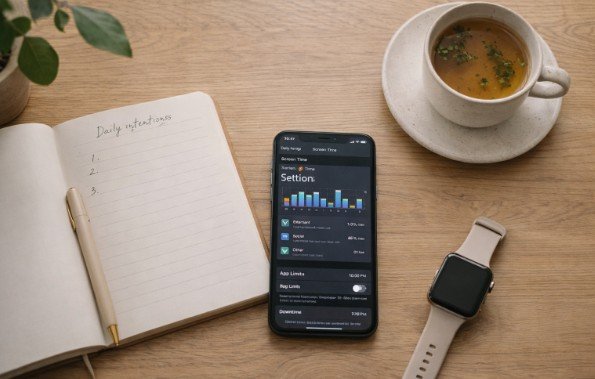
I don’t aim for perfection. I aim for awareness.
Step one: I set time boundaries instead of banning devices. I decide when tech supports my goals and when it distracts from them. Night mode turns on automatically in the evening, and notifications stay minimal.
Step two: I check in with myself after tech use. If I feel calmer, informed, or motivated, the use works. If I feel drained or restless, I adjust next time. This reflection matters more than total screen time.
Step three: I schedule offline moments intentionally. Walks, meals, and conversations stay phone-free. That contrast reminds my brain that stimulation isn’t the same as satisfaction.
Frequently Asked Questions
1.Is technology always bad for mental health?
No, and that belief causes more harm than clarity. Technology supports access to care, learning, and connection.
The issue isn’t usage—it’s unintentional overuse. When tech serves a purpose and respects boundaries, it can strengthen mental well-being instead of harming it.
2.Can mental health apps really help?
They help when used as support tools, not cures. Apps work best for tracking patterns, practicing coping skills, and building awareness. They don’t replace professional care, but they reduce barriers and help people take the first step toward support.
3.How do I know if my tech use is unhealthy?
Watch how you feel after using it. If you feel anxious, distracted, or guilty consistently, something needs adjustment. Healthy tech use leaves you feeling informed, connected, or rested—not drained or restless.
4.Who is responsible for protecting mental health in tech use?
Responsibility is shared. Individuals build habits, parents guide children, companies design ethical systems, and governments set protections. Technology and mental health improve fastest when all levels act together.
So are we scrolling ourselves into burnout or building smarter lives?
Here’s my honest take. Technology and mental health will never have a perfect balance. That’s okay. The goal isn’t to unplug forever—it’s to stay awake while plugged in.
When I treat technology like a tool instead of a default, my mental health improves. When I notice how my body and mind respond, I adjust without guilt. Awareness beats restriction every time. My biggest tip? If your tech use doesn’t support the life you want offline, it’s time to change how you use it—not blame yourself for using it at all.
Author

admin@livehappyinspired.com
Related Posts

Compact Power: Why Rotary Designs are the Best Solution for Limited Factory Space
- 0
- 690 words
Many modern factories face space problems, especially small or medium-sized ones that want to grow in the same place. Using space well...
Read out all
Innovative Signage Solutions to Enhance Your Brand Visibility
- 0
- 708 words
In an increasingly competitive market, businesses need to adopt creative strategies to stand out. One of the most effective methods is to...
Read out all
Work Directly with Senior Developers for Transparent and Efficient Project Delivery
- 0
- 1,016 word
The who is as significant as the what in the world of high stakes of digital transformation. The common trap taken by...
Read out all
Simple Tech for Daily Life: The Tools I Actually Use to Make Days Easier
- 0
- 1,143 word
I don’t want complicated tech. I want tech that quietly helps while I live my life. That’s what simple tech for daily...
Read out all
Tech for Productivity: Essential Tools and Gadgets for Better Focus
- 0
- 1,415 word
Tech for productivity has evolved far beyond simple to-do lists and reminder apps. Today, it includes everything from ergonomic desks and noise-canceling...
Read out all
Technology for Wellbeing: Enhancing Health and Connection
- 0
- 1,305 word
Technology for wellbeing, often referred to as Connected Health or Digital Wellbeing, has transformed the way we approach personal health and lifestyle...
Read out all