
- 0
- 1,291 word
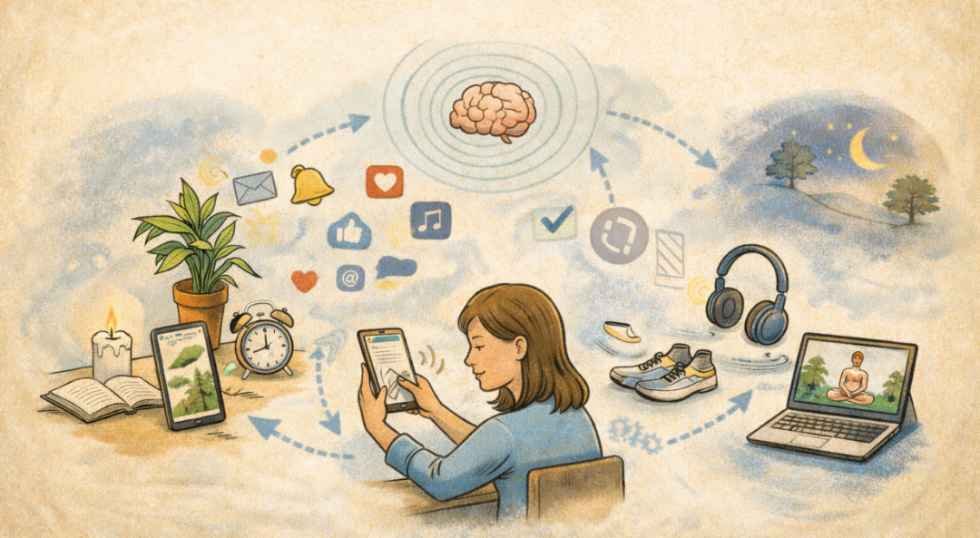
I used to check my phone before my feet touched the floor. Messages, notifications, news, social feeds—my brain woke up tired. When I finally checked my screen time stats, the number shocked me. I wasn’t addicted to my phone. I was addicted to being available.
That moment pushed me to rethink screen time balance, not as a detox or digital punishment, but as a lifestyle adjustment. I still work online, enjoy the content. I just don’t let screens run my day anymore.
If your screen time feels heavy, distracting, or mentally exhausting, you don’t need to quit tech. You need better rhythms.
Quick Takeaways
- Average adults spend 7+ hours daily on screens, Gen Z crosses 9 hours
- Screen time balance works best when tied to routines, not limits alone
- Awareness beats restriction every single time
- Small habit shifts create lasting change
Why Does Screen Time Balance Feel So Hard Today?
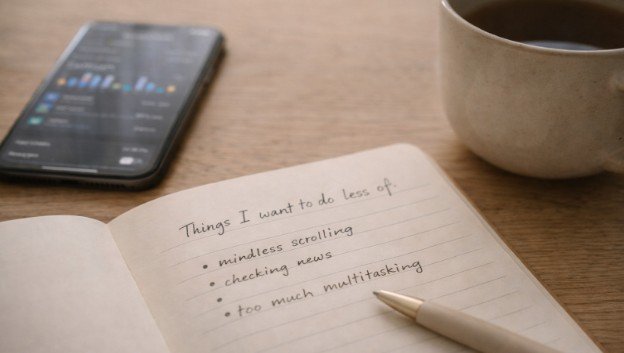
Screens sneak into every gap of the day. Waiting for food. Standing in line. Even bathroom breaks. I noticed my screen time wasn’t about work or fun anymore—it filled the silence.
Data backs this up. Gen Z averages over 9 hours per day, and even adults hover around 7 hours. That’s not laziness. That’s design. Apps fight for attention, not wellbeing.Once I stopped blaming myself and started understanding the system, balancing screen time became realistic instead of guilt-driven.
How Much Screen Time Is Actually “Normal” Now?
Here’s the reality check I wish someone gave me earlier.
| Group | Average Daily Screen Time |
| Gen Z | ~9 hours |
| Teens (12–17) | 8+ hours |
| Millennials | ~6 hrs 42 min |
| U.S. Adults | ~7 hrs |
When I saw this, I stopped obsessing over being “perfect.” Screen time balance isn’t about hitting 2 hours. It’s about making sure screens serve you, not drain you.
When Does Screen Time Cross Into Burnout Territory?
I knew my screen habits needed fixing when:
- My eyes felt tired even after sleeping
- I checked my phone without intention
- I struggled to focus for 20 minutes straight
- I felt restless after scrolling, not relaxed
That’s the difference between usage and overuse. Screen time balance isn’t measured in hours alone. It’s measured in how you feel after.
What Does Screen Time Balance Look Like in Real Life?
For me, balance doesn’t mean strict rules. It means structure.I still spend long hours online, but I group my screen usage. I work deeply, then disconnect fully. No half-scrolling. No constant switching.
I stopped multitasking. One screen, one purpose. That alone dropped my daily usage by over an hour without effort.
How I Check and Track My Screen Time (Without Obsessing)
I check my screen stats once a week, not daily. Daily checks made me anxious.
- On my phone, I review weekly averages
- I focus on patterns, not spikes
- I watch app categories, not total hours
The goal isn’t shame. The goal is awareness. Once you see where time leaks, it will be easy to know how to set limits on screen time.
Build a Screen Time Balance That Actually Sticks
Step 1: Anchor Screens to Purpose
Before unlocking my phone, I ask one question: Why now? If I don’t have a clear reason, I don’t unlock. This pause alone kills mindless scrolling.
Step 2: Create Screen Zones
I removed screens from my morning routine and last hour at night. No phone in bed. No social apps before breakfast. My sleep and focus improved within days.
Step 3: Batch Screen Activities
Emails, social media, messages—handled in blocks. Constant checking destroyed my focus. Batching gave me time back without cutting anything out.
Step 4: Add Visual Breaks
I follow the 20-20-20 rule loosely. Every 20–30 minutes, I look away, stretch, or stand. My eyes stopped burning by week two.
Step 5: Replace, Don’t Remove
I replaced evening scrolling with podcasts, journaling, or short walks. Screen time balance fails when you only remove habits without filling the gap.
Can You Balance Screen Time Without Productivity Guilt?
Absolutely. Productivity guilt kept me stuck longer than screens ever did.
Some screen time is creative, social and relaxing. Balance doesn’t mean turning everything into “useful” time.I stopped labeling screen use as good or bad. I label it intentional or default. That mindset shift changed everything.
How Does Screen Time Balance Affect Mental and Physical Health?
Excessive screen time links to sleep disruption, eye strain, anxiety, and weight gain. I experienced the lighter version—restlessness and mental fog.
Once I balanced my screen habits:
- Sleep improved
- Focus deepened
- Anxiety reduced
- Even my posture improved
The body notices before the brain admits there’s a problem.
What About Social Media and Screen Time Balance?
Social media eats time differently. Thirty minutes can feel like five.
I don’t delete apps. I removed them from my home screen. That friction forces intention. I also turned off non-human notifications. No more alerts from apps begging for attention.That single move cut my screen time down to almost in half.
Is Screen Time Balance Even Realistic for Gen Z and Remote Workers?
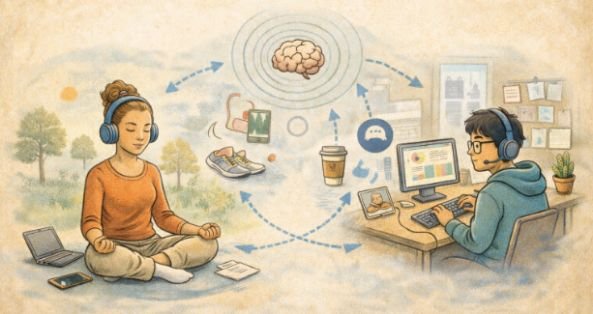
Yes—but it looks different.
Gen Z lives online socially. Remote workers live online professionally. Balance here means boundaries, not reduction.Clear start and stop times. Offline rituals. Tech-free meals. These anchors create balance even when total hours stay high.
Frequently Asked Questions
1.How many hours of screen time is healthy per day?
There’s no perfect number. Experts suggest under 2 hours of non-work screen time, but modern life rarely fits that. I focus on how I feel after screen use. If I feel drained, distracted, or tense, I adjust. Balance comes from intention, not hitting a number.
2.Does screen time balance mean quitting social media?
Not at all. I still use social platforms daily. I just don’t let them interrupt my day constantly. Turning off notifications, batching usage, and avoiding morning scrolls helped me enjoy social media without burnout.
3.How long does it take to see results?
I noticed changes within one week. Better sleep came first. Focus followed. The biggest shift happened around week three when my brain stopped craving constant stimulation. Consistency matters more than perfection.
4.Can screen time balance improve focus and productivity?
Yes, dramatically. Once I stopped switching between apps constantly, deep focus returned. Tasks took less time. I felt mentally lighter. Balance reduces cognitive overload more than any productivity hack.
The Real Secret to Screen Time Balance
Screen time balance isn’t about control. It’s about respecting your attention.Your time and focus are valuable. Screens aren’t the enemy.Unconscious habits are.
My biggest tip? Pick one small boundary today. Just one. Protect your mornings, your meals, or your bedtime. Let balance grow from there.You don’t need a digital detox. You need a life that feels good both online and offline.
Author

admin@livehappyinspired.com
Related Posts

Compact Power: Why Rotary Designs are the Best Solution for Limited Factory Space
- 0
- 690 words
Many modern factories face space problems, especially small or medium-sized ones that want to grow in the same place. Using space well...
Read out all
Innovative Signage Solutions to Enhance Your Brand Visibility
- 0
- 708 words
In an increasingly competitive market, businesses need to adopt creative strategies to stand out. One of the most effective methods is to...
Read out all
Work Directly with Senior Developers for Transparent and Efficient Project Delivery
- 0
- 1,016 word
The who is as significant as the what in the world of high stakes of digital transformation. The common trap taken by...
Read out all
Simple Tech for Daily Life: The Tools I Actually Use to Make Days Easier
- 0
- 1,143 word
I don’t want complicated tech. I want tech that quietly helps while I live my life. That’s what simple tech for daily...
Read out all
Technology and Mental Health: How I Balance Both
- 0
- 1,273 word
Technology and mental health have a complicated relationship, and I learned that the hard way. I use tech for work, learning, connection,...
Read out all
Tech for Productivity: Essential Tools and Gadgets for Better Focus
- 0
- 1,415 word
Tech for productivity has evolved far beyond simple to-do lists and reminder apps. Today, it includes everything from ergonomic desks and noise-canceling...
Read out all