
- 0
- 1,428 word
Technology for wellbeing, often referred to as Connected Health or Digital Wellbeing, has transformed the way we approach personal health and lifestyle management.
With a range of digital tools and immersive solutions, people can now monitor their physical activity, improve mental health, optimize sleep, and cultivate healthier social habits.
From wearable devices and mental health apps to telehealth services and smart home technologies, the possibilities are endless. This guide explores the most impactful tools, emerging trends, and practical strategies to use technology for wellbeing effectively.
Core Categories of Wellbeing Technology
Wearables and Biometric Trackers
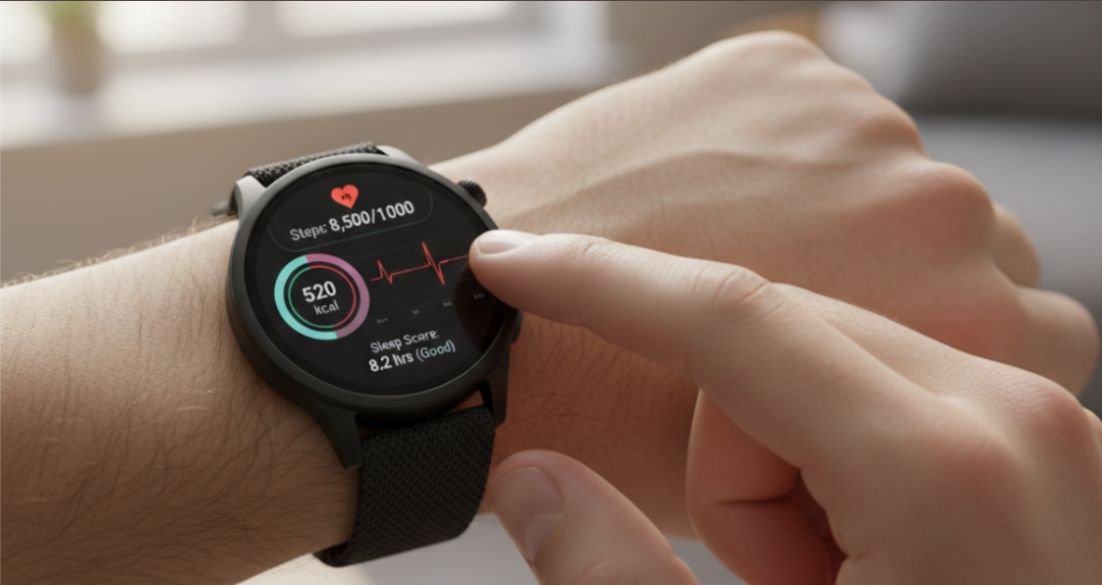
Wearables such as the Apple Watch, WHOOP, and Oura Ring provide continuous monitoring of health metrics. These devices track:
- Heart rate and heart rate variability (HRV)
- Sleep stages and patterns
- Physical activity and steps
- Blood oxygen levels
By analyzing these data points, users can make informed decisions about exercise routines, rest periods, and recovery. Many wearables also integrate with mobile apps to provide actionable insights and personalized recommendations.
Mental Health and Mindfulness Apps
Digital tools such as Headspace, Calm, and Breath2Relax offer guided meditations, breathing exercises, and cognitive behavioral therapy (CBT) techniques. These apps help users manage stress, anxiety, and mental fatigue.
Regular engagement with mindfulness apps has been shown to reduce stress hormone levels, improve focus, and promote emotional balance.
Telehealth and Virtual Care
Platforms like Talkspace, BetterHelp, and Teladoc bring licensed therapists and medical professionals directly to users’ homes. Telehealth eliminates barriers such as travel or mobility issues, making healthcare accessible to people in remote or underserved areas.
Online consultations, prescription management, and follow-up care can now be conducted safely and efficiently.
Immersive Technologies: VR and AR
Virtual Reality (VR) and Augmented Reality (AR) are revolutionizing therapy, fitness, and rehabilitation. VR exposure therapy helps in understanding and overcoming phobias, while immersive fitness programs make workouts engaging and effective.
AR-assisted physical therapy provides real-time guidance, ensuring correct form and reducing injury risk.
Bio-Digital Twins
Bio-digital twins are virtual models of individuals that simulate biological responses and predict future health conditions.
Physicians can use these models to test treatments and make preventive care decisions before applying interventions in real life. This technology represents a shift toward proactive, personalized healthcare.
Digital Wellbeing Strategies for Daily Life
Usage Management
Apps like Apple’s Screen Time and Google Digital Wellbeing allow users to monitor device usage, set daily limits, and schedule breaks. Tracking screen time helps individuals identify patterns of overuse and take control of their digital habits.
Focus and Productivity Tools
Applications such as Forest or OffTime encourage users to stay off their screens. By gamifying focus and rewarding mindful technology usage, these apps promote productivity and prevent distractions.
Digital Detox
Scheduled breaks from technology reconnect users with the physical world. Digital detoxes can enhance sleep quality, reduce stress, and foster mindfulness by creating intentional periods without screens.
Practical Applications of Technology for Wellbeing

Mental Health Apps and Online Therapy
Digital mental health tools provide support and guidance without leaving home. These apps include features such as:
- Guided meditation and relaxation exercises
- CBT-based activities for managing anxiety or depression
- Therapy sessions with licensed professionals via video
This accessibility encourages consistent mental health care and empowers users to manage emotional wellbeing proactively.
Fitness Apps
Fitness applications help track workouts, set goals, and monitor progress. They can offer personalized exercise routines, virtual coaching, and progress tracking.
Whether the goal is weight loss, muscle gain, or improved endurance, fitness apps provide structured support and motivation.
Sleep Improvement Apps
Sleep is a cornerstone of wellbeing, and digital tools can enhance both quantity and quality. Tracking apps monitor patterns and provide insights to improve rest. Many apps also include features like:
- Relaxation sounds and white noise
- Guided sleep meditations
- Sleep schedule recommendations
There are many Benefits of Sleep which improves Energy, Mood, and Brain Health
Online Health Services
Telehealth platforms make medical consultations convenient and accessible. Users can:
- Book virtual appointments with doctors
- Receive prescriptions electronically
- Access health records anytime
These services are particularly valuable for those in remote locations or with mobility limitations.
Educational Platforms
Learning apps and online courses contribute to mental stimulation and personal growth. They allow users to:
- Acquire new skills
- Expand professional knowledge
- Explore hobbies or personal interests
Mental engagement supports cognitive health and fosters a sense of achievement.
Meal Planning Apps
Nutrition plays a critical role in wellbeing. Meal planning apps provide:
- Personalized dietary recommendations
- Tracking of calories, macronutrients, and micronutrients
- Recipe inspiration and grocery lists
Healthy eating becomes easier and more sustainable through data-driven planning.
Smart and Healthy Home Devices
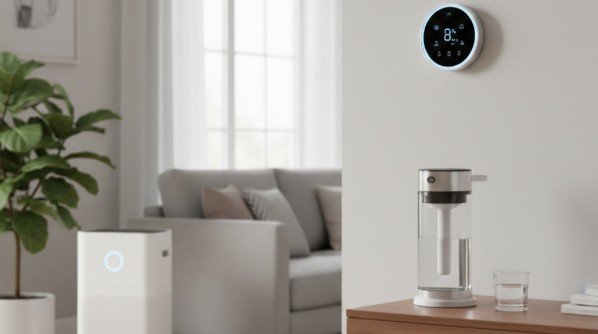
Smart home technologies improve physical health by optimizing the living environment. Examples include:
- Air purifiers to reduce allergens
- Smart thermostats for comfortable temperatures
- Water filtration systems for clean hydration
Creating a health-conscious home enhances overall wellbeing over the long term.
Accessibility Features
Modern technology offers accessibility solutions for individuals with disabilities. Voice recognition, screen readers, and customizable interfaces make digital tools more inclusive, ensuring that everyone can access information and participate fully in online life.
Virtual Communities
Online communities provide social connection and support. These groups can:
- Offer advice and guidance on lifestyle, health, or hobbies
- Provide emotional support for shared experiences
- Encourage participation in meaningful discussions
Social engagement supports mental and emotional wellbeing.
Platforms to Host Projects
Digital platforms empower individuals to share creative work or entrepreneurial ventures. Users can:
- Sell products online
- Create blogs, portfolios, or videos
- Collaborate on shared projects
These platforms enhance personal fulfillment and social interaction while promoting skills development.
Emerging Trends in Technology for Wellbeing
Relational AI
Empathetic AI companions are becoming more common. These systems act as wellbeing coaches, offering guidance, reminders, and emotional support to reduce loneliness and foster mental resilience.
Chrononutrition Technology
Data-driven control systems now align diet and lifestyle with circadian rhythms. By optimizing meal timing and nutrient intake, individuals can improve metabolism, energy levels, and overall health.
Preventive Medicine
AI-driven early diagnosis and personalized healthcare plans are on the rise. Genetic and epigenetic data inform treatment decisions, moving the focus from reactive to preventive care.
Tips for Integrating Technology for Wellbeing

- Start small: Introduce one tool or app at a time to prevent overwhelm.
- Set intentional goals: Identify specific areas of health you want to improve.
- Monitor usage: Track time and engagement with apps to ensure they remain beneficial.
- Combine digital and offline habits: Pair technology use with physical activity, meditation, or social interactions.
- Maintain security: Protect sensitive health and personal data using secure platforms and strong passwords.
Frequently Asked Questions
1.How can technology improve mental health?
Mental health apps and online therapy platforms offer guided meditations, CBT exercises, and virtual counseling, making support more accessible and consistent.
2.Are wearables accurate for tracking health metrics?
Modern wearables provide reliable estimates for heart rate, sleep, and activity levels. While not a replacement for medical devices, they offer valuable insights for everyday wellbeing.
3.Can technology help with diet and nutrition?
Yes. Meal planning and nutrition apps track nutrient intake, suggest balanced meals, and provide personalized recommendations for a healthier diet.
4.Is online fitness as effective as in-person workouts?
Digital fitness tools offer structured routines, virtual coaching, and tracking, which can be as effective as traditional workouts if followed consistently.
5.How do I ensure my data is safe while using wellbeing apps?
Use apps from reputable sources, enable two-factor authentication, and carefully review permissions. Avoid sharing sensitive information on unsecured platforms.
Technology as a Partner in Everyday Wellbeing
Technology for wellbeing provides tools to optimize physical health, mental resilience, and social engagement. By integrating wearables, mental health apps, telehealth, smart home devices, and virtual communities into daily life, individuals can achieve balance, improve productivity, and foster healthier habits.
Mindful and intentional use of digital tools allows technology to serve as a powerful ally for overall wellbeing. With the right strategies, technology enhances life instead of becoming a source of stress or distraction.
Author

admin@livehappyinspired.com
Related Posts

Compact Power: Why Rotary Designs are the Best Solution for Limited Factory Space
- 0
- 690 words
Many modern factories face space problems, especially small or medium-sized ones that want to grow in the same place. Using space well...
Read out all
Innovative Signage Solutions to Enhance Your Brand Visibility
- 0
- 708 words
In an increasingly competitive market, businesses need to adopt creative strategies to stand out. One of the most effective methods is to...
Read out all
Work Directly with Senior Developers for Transparent and Efficient Project Delivery
- 0
- 1,016 word
The who is as significant as the what in the world of high stakes of digital transformation. The common trap taken by...
Read out all
Simple Tech for Daily Life: The Tools I Actually Use to Make Days Easier
- 0
- 1,143 word
I don’t want complicated tech. I want tech that quietly helps while I live my life. That’s what simple tech for daily...
Read out all
Technology and Mental Health: How I Balance Both
- 0
- 1,273 word
Technology and mental health have a complicated relationship, and I learned that the hard way. I use tech for work, learning, connection,...
Read out all
Tech for Productivity: Essential Tools and Gadgets for Better Focus
- 0
- 1,415 word
Tech for productivity has evolved far beyond simple to-do lists and reminder apps. Today, it includes everything from ergonomic desks and noise-canceling...
Read out all